
 English




Mindful Living
The Psychology Of Wearing Comfort
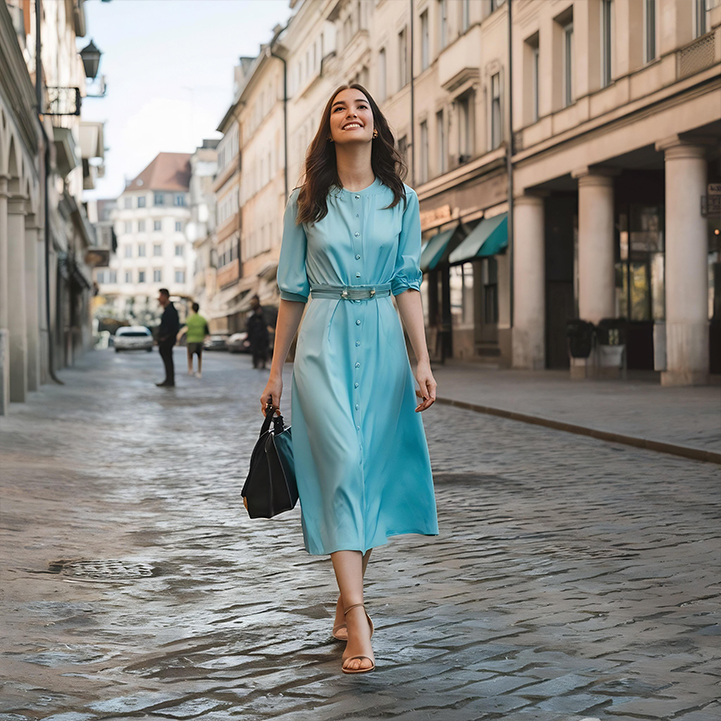
Comfort is more than a physical sensation—it is a mental and emotional experience that quietly shapes our daily lives. What we wear has a direct influence on how we feel, think, and behave. When clothing feels natural on the body, it fades into the background, allowing confidence and calm to take the lead. This subtle interaction between mind and body is where the psychology of comfort truly begins.
How Comfort Reduces Mental Stress
Everyday life already demands constant decision-making, and uncomfortable clothing adds unnecessary mental strain. When something feels restrictive or irritating, the brain is repeatedly pulled toward that discomfort. Comfortable clothing removes this distraction. With fewer physical irritations to process, the mind becomes lighter, more focused, and less reactive. This mental ease often translates into better concentration, patience, and emotional stability throughout the day.
Emotional Security And Familiarity
Comfort is closely linked to feelings of safety and familiarity. Just as certain spaces make us feel at ease, comfortable clothing creates a sense of emotional grounding. Over time, specific pieces become associated with positive experiences, rest, or confidence. Wearing them can instantly trigger a calming effect, especially during demanding moments. This emotional reassurance explains why people naturally gravitate toward comfortable options when seeking balance or relief.
The Impact On Body Language
What we wear influences how we carry ourselves. Restrictive clothing can lead to stiffness, closed posture, or limited movement. Comfortable wear encourages natural gestures, relaxed shoulders, and fluid motion. These physical changes subtly shape how others perceive us, but more importantly, how we perceive ourselves. Feeling unrestricted allows the body to express confidence without effort, reinforcing a positive self-image.
Sensory Comfort And The Nervous System
Touch is one of the most powerful senses connected to emotional regulation. Softness, flexibility, and breathability send calming signals to the nervous system. When the body feels supported rather than constrained, stress responses are reduced. This sensory harmony helps maintain emotional balance, lowers irritability, and promotes a steady sense of well-being across long hours of wear.
Comfort As A Reflection Of Identity
Personal style is not only about visual appeal—it is also about how clothing makes us feel. Comfort plays a vital role in authenticity. When attire aligns with inner ease, it strengthens self-trust. Instead of adjusting, fixing, or feeling self-conscious, the wearer can fully engage with their surroundings. Comfort-driven choices often reflect confidence, clarity, and an understanding of personal needs.
Creativity And Cognitive Freedom
Physical comfort can enhance creativity and flexible thinking. When the body is relaxed, the mind becomes more open to ideas and reflection. This is why comfortable clothing is often associated with creative spaces and mindful routines. It supports presence, curiosity, and imaginative thinking by removing physical barriers that interrupt mental flow.
Choosing Comfort As Self-Respect
Prioritizing comfort is a quiet but powerful form of self-care. It reflects an awareness that well-being starts with how we feel within ourselves. Comfort does not mean sacrificing style or intention—it means choosing balance. When clothing supports both body and mind, it becomes a tool for confidence rather than a source of distraction.
A Harmonious Everyday Experience
The psychology of wearing comfort highlights how deeply clothing shapes daily experiences. From emotional stability to self-expression, comfort plays a foundational role. When what we wear supports who we are, life feels less restricted and more intentional. In that harmony, comfort becomes not just a preference, but a mindset—one that allows us to move through the world with ease, clarity, and confidence.
Categories
-
 Women
65
Women
65
-
Bottom Wear
59
-
Western Wear
39
-
Maternity Wear
10
-
Women's Inners
50
-
Men's
68
-
Men Traditional Wear
20
-
Men Western Wear
30
-
Men Inners
48
Trending Now
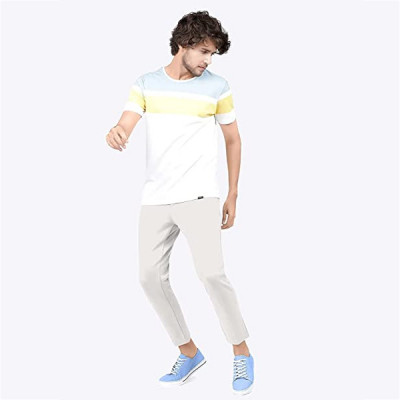
Men's Slim Fit Formal Trousers/Pant
Rs.543.00
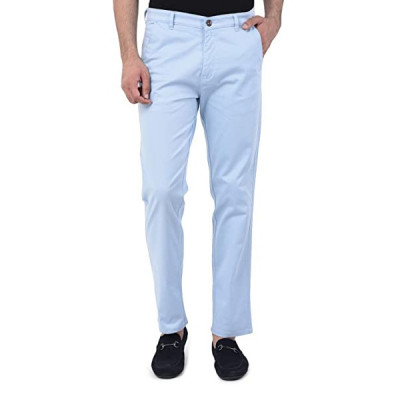
Men's Regular Fit Pants
Rs.544.00
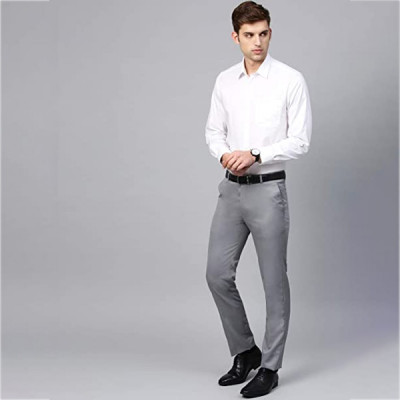
Men's Slim Fit Formal Trousers
Rs.707.00
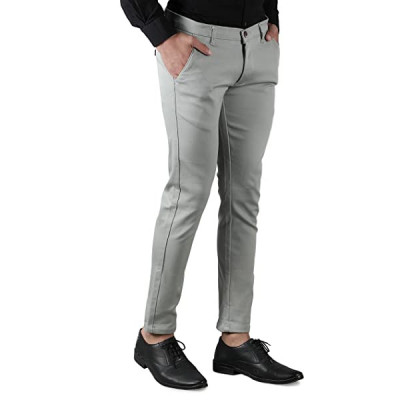
Textured Stretchable Trousers for Men
Rs.899.00